Symbiotic-characters and the expanded home
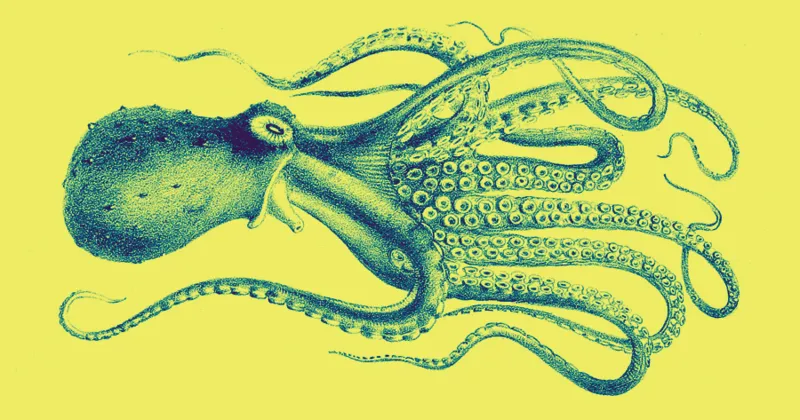
I've just finished two books which made my mind boil: Autobiography of an Octopus1 by Vinciane Despret and Philosophy of the Home2 by Emanuele Coccia. Later I found that Emanuele actually wrote the preface to the italian translation of Vinciane's book.3
Vinciane's exploration of how other species (might?) dabble in meaning through literature, architecture and such, is daunting and beautiful. Paves a way to form a connection with the broader "living beings" category that ought to make anyone reading it to deeply pause. In the text that gives its name to the book, she introduces a very elegant concept of "sym-human" or symbiotic-human: people who are born attuned to other species, and are raised and trained to explore these shared traits with them. They then are able to commune of the other species features (in the text, the sym-human to an octopus is able to operate his other limbs, even if they're ghost ones), feel their presence and share of their current mood or feeling. They also share their needs and expectations, their drama and bliss.
They serve as vessels to the memory and heritage of their sym-pair - practicing and preserving their connection, even in the absence of their pair. In the text, the octopus are gone for over a generation now, but their memory lives in their sym-human, who fight to preserve their connection even in the absence of their pair. What a striking metaphor and dreadful omen all at once.
Also, what a badass way to improve on druids. They could now be not only initiates of an order, but soul bound to their pair creature from birth. Their craft is not only to transform or to shoot magic ravines, but to remember. To practice their connection and preserve the memory of their non-human/elf/playable-kin counterpart. Their power is only as strong as their connection.
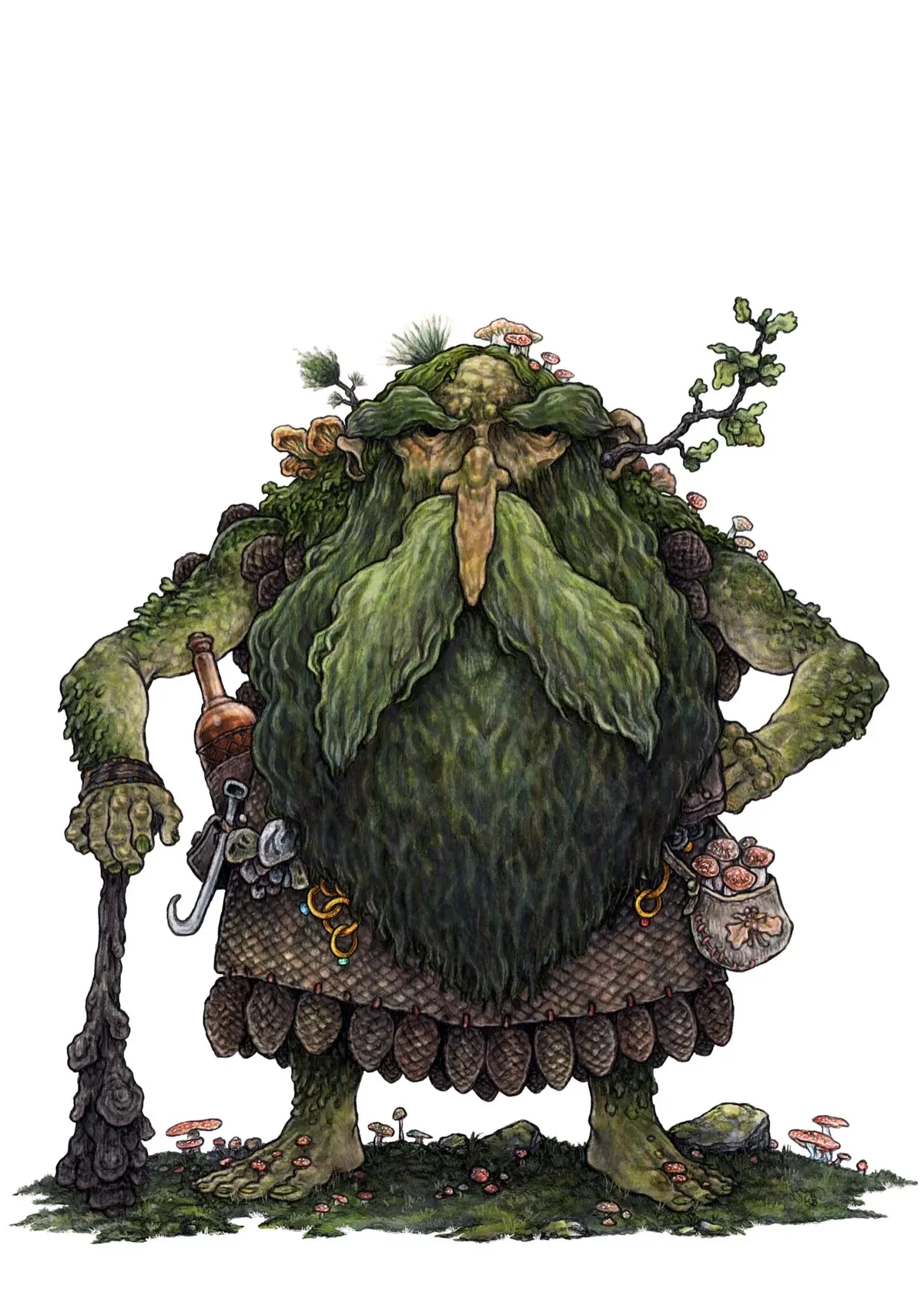
This idea took me straight to Dolmenwood's mosslings. They're not actually fungus, but are close and share much of their trait. If you play as kin, you might risk becoming one in a weird specific way. There's deep connection and communal existence between a mossling and a mushroom.
Coccia's book verses on how one inhabits the world, and the role of the home as a consequence of urban life. It poses home objects as animated, parts of a self outside of it, but deeply embedded in the actual self. We are but what we share space with, and our identity is as much outside of ourselves as it's inside. This goes to clothing (in a neat chapter on fashion), but also to chairs, pets and social media. He proposes the home to be expanded and shared with the world in radical ways, as he reflects on the obsolescence of identifying ourselves with only our own body. We are but everyone and everything, and we dilapidate this share existence to create sparks of individuality - which is brilliant, lest we forget that we're still part of the whole. An expanded existence calling to an expanded home.
When in play, this could mean a lot, but I'm using it in a very specific, character and attachment building way: asking players what are their characters home like. What in there do they cherish the most. What will they definitely bring with them should they need to move. What are they looking forward to get rid of. How are their bathroom decorated, if so, and why. Who do they share the home with.
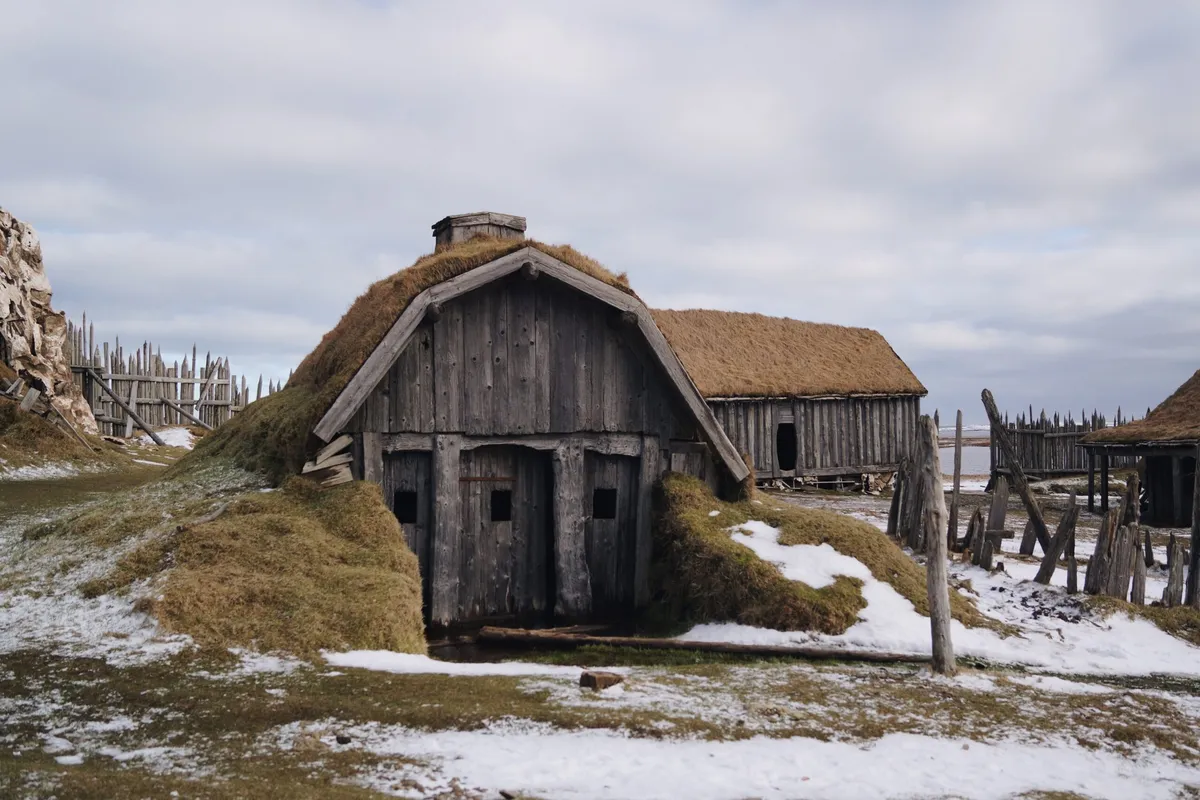
This reminded me much of Stonetop. There, the home is the village, the community, first and foremost. But character's houses are also on the spot: what is there in your houses that help you during expeditions? Are you the distiller? The blacksmith? The engineer? Who do you love? Who do you share a house with? Is your family in the village? These are questions that help characters ground themselves in Stonetop - but they could ground themselves in Baldur's Gate. In Prospero's Dream. In Gotham City. After all, it's about cultures, not games.4
Delta Green, grimly, also talks about home. This actually drove me a lot to the system, even before reading Coccia's book. It shows domestic life being ravaged by serving an institution that, supposedly, works to save the world. But in all it's efforts, it's mostly fighting the long defeat5, amidst institutions that are mostly self-serving and nihilist.
Vinciane's hopeful view elaborates on Coccia's desire for an expanded home, creating a path where we commune with the living world in a way that our home is expanded to impossible habitats. Let's playfully expand on it.
https://www.lemonde.fr/sciences/article/2021/05/12/autobiographie-d-un-poulpe-les-fables-symbiotiques-de-vinciane-despret_6079944_1650684.html↩
https://www.the-tls.com/philosophy/contemporary-philosophy/philosophy-of-the-home-emanuele-coccia-book-review-sonia-solicari↩
https://villamedici.it/en/programme/vinciane-despret/↩
https://elmc.at/cultures-not-games/↩
https://comment.org/the-long-defeat-of-history/↩